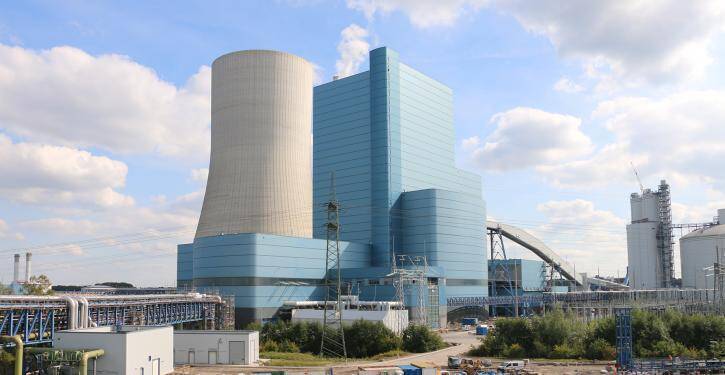
Germany considering extending operation of coal-fired power plants amid energy crisis
Germany’s government is contemplating prolonging the operation of its existing coal-fired power plants due to ongoing energy supply concerns. This move aims to prevent potential shortages and ensure reliable electricity supply amid uncertain conditions in the energy sector.
Context and reasoning behind the potential extension
A government official stated that if the energy crisis persists and there is a risk of shortages, older coal plants might remain operational longer than planned. The official emphasized that maintaining these facilities is critical to securing the country’s electricity needs.
The official also expressed reluctance to sacrifice industrial activity by prematurely closing coal plants, citing that current exit plans have become unrealistic given the current energy landscape. The need to prioritize energy security appears to be overriding previous commitments to phase out coal.
Germany’s coal power capacity and future plans
As of mid-2022, Germany had approximately 30,000 megawatts (MW) of installed capacity in coal-fired power plants. The government intends to shut down almost all of these plants by the end of 2030, leaving only a reserve capacity of 3,000 MW operational.
Despite these closure plans, coal plants still contribute about 22% to Germany’s electricity generation in 2025. These plants are primarily used during periods of low renewable output or heightened demand, such as winter months.
During the cold snap in January 2026, these coal units proved profitable, underscoring their role as a reliable backup source when renewables cannot meet demand.
Policy developments and recent measures
Recent policy measures indicate a shift in Germany’s approach to coal. The government has issued a new regulation, known as an Ordinance (OUG), which enforces the permanent closure of coal plants. This move aligns with efforts to access funds from the European Union’s Recovery and Resilience Facility (PNRR).
However, the European Union has rejected attempts by Berlin to bypass some regulations or employ “tricks” to slow down the coal closure process, signaling increased scrutiny over Germany’s energy transition plans.




Lasă un răspuns